

Psychoeducational Assessment in Oakville
This is not just about testing or getting a label. It is about helping you understand how your child learns and how to best support them at school and at home.
Psychoeducational Assessment in Oakville
This is not just about testing or getting a label. It is about helping you understand how your child learns and how to best support them at school and at home.
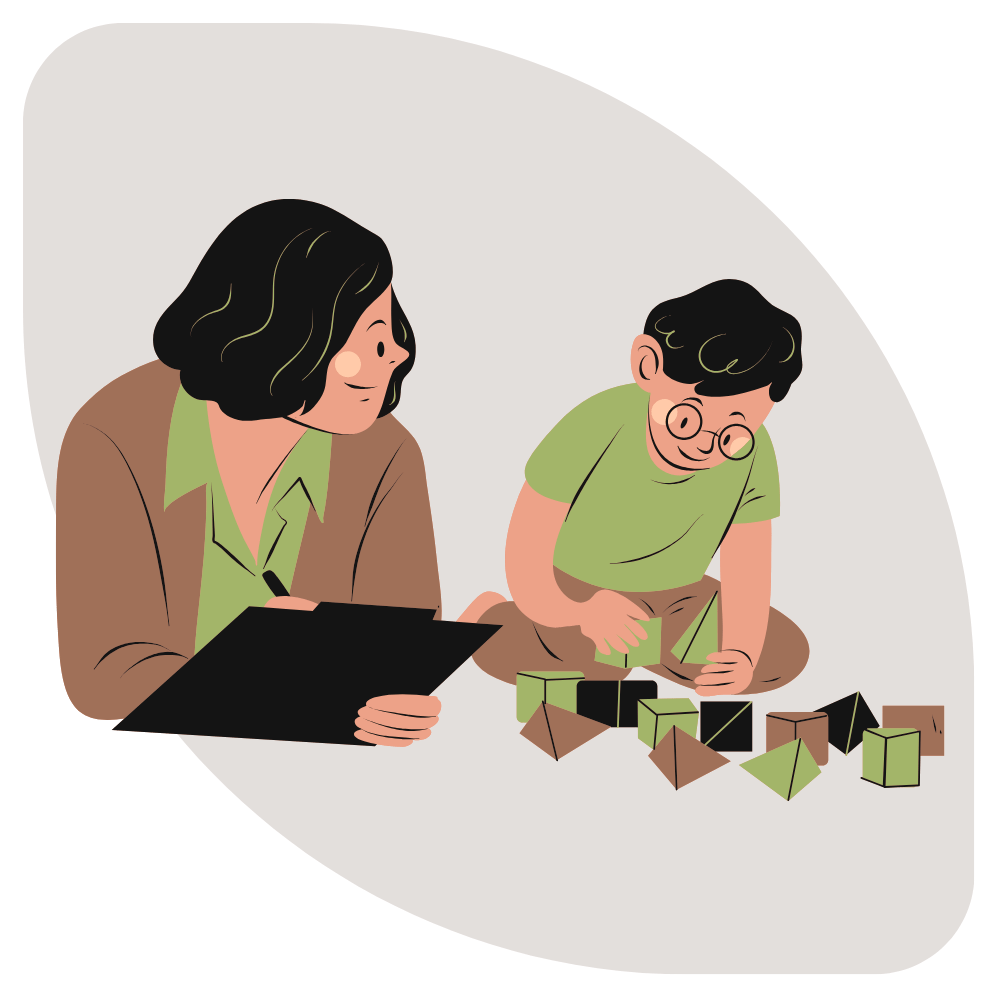
Together we’ll take the time to understand what’s happening beneath the surface so that you and your child can move forward with more clarity and confidence.
Many of the parents who reach out care deeply about their child’s well-being, but feel uncertain about how to help them effectively. You may be noticing your child struggling with school, motivation, or confidence, but not fully understanding why.
A psychoeducational assessment helps you understand your child’s unique learning profile, including their strengths, areas of need, and how they process information across cognitive, academic, and social-emotional functioning.
Signs Your Child May Need An Assessment
Parents often arrive feeling worried and confused. You might be noticing:
Falling behind in reading, writing, or math despite effort
Trouble getting started or finishing schoolwork
Avoiding school or becoming overwhelmed by homework
Big emotional reactions around learning or expectations
Difficulty with focus, organization, or follow-through
Comparing themselves to peers and feeling behind
Without clear answers, these challenges can become increasingly stressful for the entire family. At some point, it starts to feel like what you are seeing does not fully make sense, or that the usual supports are not working in the way you expected.
Why School Feels Harder Than It Should
For many children, this is not about effort or motivation. What often comes up is a gap between what is being asked of them and how they actually process and learn. Over time, children may begin comparing themselves to peers and quietly conclude that they are not capable or not good enough.
Instead of continuing to push through without answers, what we start to look at is what is happening underneath all of that. A psychoeducational assessment helps clarify these patterns so you are not left guessing.
What A Psychoeducational Assessment Evaluates
Meaningful support begins with understanding the whole person. What we are looking at is how your child functions across different areas, including:
Cognitive functioning
Academic skills such as reading, writing, and math
Social-emotional functioning
Executive functioning
Attention and self-regulation
Memory
Assessment scores and diagnoses tell only part of the story. This is not about focusing narrowly on symptoms or putting your child into a category. It is about understanding how these pieces fit together, and how your child experiences learning and school day to day.
What To Expect During The Assessment Process
Clear explanations help reduce fear, shame, and uncertainty. From the beginning, the process is meant to feel steady and predictable so your child knows what to expect and feels comfortable participating.
-
We begin with a parent or youth interview, questionnaires, and a review of relevant information such as report cards, previous assessments, and any helpful medical or school documentation.
-
Your child then takes part in assessment sessions that may include standardized testing, observations, and a clinical interview. This helps build a clearer picture of how they learn, think, and manage emotions.
-
Once the assessment is complete, we meet together to go through the results. I explain the findings, highlight areas of strength and need, and talk through individualized recommendations and next steps.
-
After the feedback session, you will receive a detailed report. It includes the assessment results, a clinical formulation that brings the information together to explain your child’s profile, and tailored recommendations. This report is yours to share with others who may be supporting your child, such as the school or family doctor.
My goal and job is to translate complex psychological information into language that makes sense. In the end, I want families to leave understanding not only what is happening, but why. You are not left trying to interpret the results on your own. We make sense of it together.

How This Assessment Helps Your Child
The goal for assessments is not just to identify challenges but to provide a clear roadmap. For many families, the biggest shift is understanding. When things start to make sense, there is often less confusion, less frustration, and less self-blame, helping you feel more in control and hopeful. Simply having their strengths and learning needs clearly explained can be very validating. From there, you are left with:
Clear recommendations that can be used at school and at home
A better understanding of how your child learns
Guidance on supports and accommodations
More confidence in how to advocate for your child
What this often leads to is a shift from feeling stuck and unsure to feeling clearer about what your child needs and how to support them.
Assessment Details And What Happens Next
This process is meant to answer the questions you are already asking. What are the learning profiles? Why is there a gap between effort and outcome? What can we do to help your child move forward? After the assessment, we go through everything together so you have a clear understanding of what was found and what to do next. These recommendations are designed to support:
School accommodations and learning supports
Daily routines and organization
Emotional regulation and confidence
Communication between home and school
The focus is always on helping your child move forward in a way that feels realistic and supportive.
Take The Next Step Toward Clarity
If you are trying to understand why things feel harder than they should for your child, you do not have to figure it out on your own.
You can reach out to Elm Psychology Oakville to talk through what you are seeing, ask your questions, and get a clearer sense of what support could look like.
Common Questions About Psychoeducational Assessments
-
If things are not fully adding up, or your child continues to struggle despite support, that is usually a sign we need to look a bit deeper. An assessment helps us understand what is actually going on rather than continuing to guess.
-
A psychological assessment looks at the full picture, including thinking, emotions, and behaviour. A psychoeducational assessment focuses more specifically on learning and academic functioning.
-
We go step by step. I gather information, spend time with your child in structured sessions, and then we sit together and go through everything so you understand not just the results, but what they mean and what to do next.
-
Sometimes it may, but that is not the focus. Assessment scores and diagnoses tell only part of the story. What matters more is understanding your child and how to support them in a way that actually works.
-
The results help clarify your child’s learning profile and give specific recommendations that schools can use. It helps move conversations from “something is off” to “this is what your child needs.”
-
Assessments are offered in person in Oakville. We can also talk through parts of the process virtually across Ontario where appropriate.

You don’t have to keep sitting with this.
Reach out to Elm Psychology Oakville to talk through what you’re seeing and get a clearer sense of what support could look like, either in person in Oakville or virtually across Ontario.